


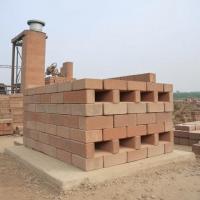

(EMAILWIRE.COM, June 30, 2025 ) Refractory bricks are specialized ceramic materials designed to withstand extremely high temperatures without deforming, melting, or losing their strength. These indispensable materials form the linings of furnaces, kilns, incinerators, and reactors across a vast array of industrial processes. Their primary function is to contain heat, protect structural components from thermal stress, and resist chemical attack from molten metals, slags, gases, and other corrosive substances. Without refractory bricks, many modern industrial operations that rely on high-temperature processes would be impossible, highlighting their fundamental role in the global manufacturing landscape.
The essence of refractory bricks lies in their exceptional properties. They exhibit high melting points, low thermal conductivity (acting as insulators), good thermal shock resistance (ability to withstand rapid temperature changes), and chemical inertness. These characteristics are meticulously engineered during their production, involving the careful selection of raw materials like alumina, silica, magnesia, and chromite, followed by precise shaping and firing at intense temperatures. The specific composition and manufacturing process determine a brick’s suitability for particular high-temperature environments, making material science a critical aspect of this market.
The Refractory Bricks Market is projected to reach a value of USD 6.10 billion by 2034, growing from an estimated USD 4.24 billion in 2025. This marks a steady increase from USD 4.07 billion in 2024, with the industry expected to register a compound annual growth rate (CAGR) of approximately 4.11% over the forecast period 2025 to 2034.
Key Drivers Propelling Market Growth
The growth of the refractory bricks market is intrinsically linked to the expansion and modernization of heavy industries worldwide. The burgeoning iron and steel industry, for instance, remains a cornerstone of demand, as these bricks are vital for lining blast furnaces, basic oxygen furnaces, electric arc furnaces, and ladles. Similarly, the cement industry, with its energy-intensive clinker production, relies heavily on refractory materials for its kilns. As global infrastructure development continues, particularly in emerging economies, the demand for steel and cement directly translates into increased consumption of refractory bricks.
Furthermore, the relentless pursuit of energy efficiency and operational longevity in industrial processes acts as a significant market driver. Industries are constantly seeking refractory solutions that can extend the lifespan of their high-temperature equipment, reduce energy consumption by minimizing heat loss, and improve overall productivity. This pushes manufacturers to innovate, developing advanced refractory bricks with enhanced insulating properties, greater durability, and superior resistance to wear and tear, thereby contributing to the market’s evolution.
Diverse Applications Across Industrial Sectors
The application spectrum of refractory bricks is remarkably broad, spanning nearly every industry that involves high-temperature processing. The iron and steel industry is by far the largest consumer, where these bricks are crucial for every stage of metal production, from raw material preparation to casting. Their ability to withstand the corrosive effects of molten metal and slag is paramount for the safety and efficiency of steelmaking operations.
Beyond metallurgy, the glass industry is another significant user, requiring specialized refractory bricks for glass melting furnaces that can resist the corrosive action of molten glass and provide consistent thermal performance. The non-ferrous metals industry, including aluminum, copper, and zinc production, also depends on these materials for lining smelting furnaces and holding vessels. Even in the petrochemical industry, refractory bricks are used in reactors and reformers to withstand high temperatures and aggressive chemical environments.
The power generation sector, particularly in thermal power plants and waste-to-energy facilities, utilizes refractory bricks in boilers, incinerators, and other combustion chambers to manage intense heat and protect structural integrity. The ceramics industry, which includes the production of tiles, sanitaryware, and advanced ceramics, also relies on refractory linings for its kilns. This widespread industrial reliance underscores the critical, yet often unseen, importance of refractory bricks in modern manufacturing.
Get Free Sample Copy of Refractory Bricks Market Report @ https://www.marketresearchfuture.com/sample_request/23446
Varieties and Composition
Refractory bricks come in numerous types, each formulated with specific raw materials and manufacturing processes to optimize their performance for different applications. Fireclay bricks, made primarily from clay, are a common and economical choice, offering good strength and thermal shock resistance for moderate to high-temperature applications. High-alumina bricks, containing a greater percentage of alumina, provide superior strength, refractoriness, and resistance to chemical attack, making them suitable for more demanding environments like steel ladles and cement kilns.
Silica bricks, composed mainly of silica, are known for their excellent volume stability at high temperatures and are widely used in the roofs of steelmaking furnaces and coke ovens. Magnesia bricks, rich in magnesium oxide, offer exceptional resistance to basic slags and are crucial in the lining of steel converters and electric arc furnaces. Other specialized types include chrome-magnesia, zirconia, and silicon carbide bricks, each engineered to address unique challenges related to extreme temperatures, chemical corrosion, or specific mechanical stresses in niche industrial applications.
Key Companies in the Refractory Bricks Market Include:
Dalmia Bharat Refractories
ASK Chemicals
Sinosteel Luoyang Refractories
Vesuvius
RHI Magnesita
Mandoval Group
SaintGobain
HarbisonWalker International
Morgan Advanced Materials
CMG Refractories
Tata Refractories
Regional Dynamics and Market Landscape
The global refractory bricks market exhibits distinct regional dynamics, largely mirroring the distribution and growth of heavy industries. The Asia-Pacific region, driven by rapid industrialization and significant investments in infrastructure, particularly in countries like China and India, holds a substantial share of the market. The robust growth in steel, cement, and glass production in these nations fuels a continuous demand for refractory materials.
Europe and North America represent mature markets, characterized by stringent environmental regulations and a strong emphasis on energy efficiency and advanced manufacturing. Here, the focus is often on high-performance, longer-lasting refractory solutions that can reduce emissions and operational costs. The Middle East and Africa, with their expanding oil and gas sectors and emerging industrial bases, are also becoming important regions for refractory consumption, driven by new projects and industrial diversification.
Refractory Bricks Market Segmentation Insights
By Raw Material
The market for refractory bricks can be segmented based on the materials used in their production, each offering distinct thermal and chemical resistance properties:
Fireclay
High Alumina
Silicon Carbide
Magnesia
Zirconia
By Application
Refractory bricks are essential in high-temperature industrial applications. Key sectors utilizing these bricks include:
Iron and Steel Industry
Cement Industry
Glass Industry
Non-Ferrous Metal Industry
Petrochemical Industry
By Manufacturing Process
The production technique influences the quality, durability, and cost of refractory bricks. Major manufacturing processes include:
Dry Pressing
Extrusion
Injection Molding
Slip Casting
Vapor Deposition
By Shape
Refractory bricks are available in various geometries depending on their application and furnace design:
Standard Bricks
Special Shapes
Monolithic Refractories
By Key Properties
The performance of refractory bricks is defined by several physical and chemical properties tailored for demanding environments:
High Temperature Resistance
Chemical Resistance
Wear Resistance
Corrosion Resistance
Thermal Conductivity
BUY NOW Report @ https://www.marketresearchfuture.com/checkout?currency=one_user-USD&report_id=23446
Challenges and Future Trends
Despite its essential role, the refractory bricks market faces several challenges. The volatility in raw material prices, particularly for high-purity minerals, can impact production costs and market stability. Environmental regulations concerning emissions from manufacturing processes and the disposal of used refractory materials also pose challenges, pushing manufacturers towards more sustainable practices and recyclable products. Furthermore, the high capital investment required for refractory production can act as a barrier to entry for new players.
Looking ahead, several trends are poised to shape the future of the refractory bricks market. There is a growing emphasis on developing sustainable refractories, including those made from recycled materials or with lower energy footprints during production. Advanced manufacturing techniques, such as additive manufacturing (3D printing) for complex refractory shapes, are emerging, offering greater design flexibility and potentially reducing lead times. The increasing demand from new energy sectors, such as hydrogen production and advanced battery manufacturing, could also open new avenues for specialized refractory applications. Digitalization, including the use of sensors and data analytics to monitor refractory performance in real-time, will likely become more prevalent, enabling predictive maintenance and optimizing operational efficiency.
Refractory bricks are unsung heroes of the industrial world, silently enduring extreme conditions to enable the production of essential materials and energy. The market for these specialized ceramics is dynamic, driven by the fundamental needs of heavy industries, the global push for efficiency and sustainability, and continuous innovation in material science. As industries evolve and new high-temperature processes emerge, refractory bricks will undoubtedly continue to play a critical and enduring role in the foundation of modern manufacturing.
Related Report
Small Bulldozer Market https://www.marketresearchfuture.com/reports/small-bulldozer-market-27822
Sodium Formate Market https://www.marketresearchfuture.com/reports/sodium-formate-market-25803
Sodium Hypophosphite Market https://www.marketresearchfuture.com/reports/sodium-hypophosphite-market-26868
Softwood Lumber Market https://www.marketresearchfuture.com/reports/softwood-lumber-market-22756
Sound Absorbing Panel Market https://www.marketresearchfuture.com/reports/sound-absorbing-panel-market-38190
Specialty Biocides Market https://www.marketresearchfuture.com/reports/specialty-biocides-market-41342
Specialty Methacrylate Market https://www.marketresearchfuture.com/reports/specialty-methacrylate-market-36296